44 gluten on food labels
Food Allergen Labeling and Consumer Protection Act of 2004 (b) Effect on Other Authority.--The amendments made by this section that require a label or labeling for major food allergens do not alter the authority of the Secretary of Health and Human ... › modified-food-starchModified Food Starch - Gluten Free Society How to Avoid Gluten from Modified Food Starch. As is the case in avoiding gluten in any food, it is important to read labels carefully. As modified food starch can be derived from wheat, it is important to avoid this source in particular. In addition, there are a number of other foods that should be avoided on a gluten free diet that may also ...
Gluten Intolerance Group Promotes Food Label Transparency for Celiac ... Gluten-free consumers rely on the accuracy of food labels to ensure that the products they purchase are safe to eat. Many products have labels and ingredient lists with misleading information about gluten content. Well-intentioned manufacturers can often cause confusion for consumers by labeling items with unclear terms and phrases such as:

Gluten on food labels
Breaking Legislative News ALERT: New Bill Requires that Products ... It adds gluten to labeling requirements applicable to the major food allergen. THIS. IS. HUGE. Let this sink in a minute. This means that you would no longer have to wonder if gluten is in the foods you eat because it must be disclosed on product packaging. For products that are not labeled "gluten-free," no longer would you have to spend time: Gluten Still Possible In Foods With Gluten-Free Label Gluten-Free Food Labeling Is Voluntary Manufacturers are not be required to place a gluten-free label on a food product, even if it met the FDA's "gluten-free" standards. Therefore, companies that provide gluten-free labeling on products are doing so to court business from people with celiac disease and non-celiac gluten sensitivity . Reading Food Labels: What "May Contain vs. Contains Means" | Gluten ... One of the most important tips for going gluten-free is reading food labels to determine if the ingredients contain any alternative sources of wheat. You may also notice, some food labels will use the terms "may contain" and "contains" and today we are going to delve into what these terms mean for you, my fellow gluten-free foodees. FAST FACT:
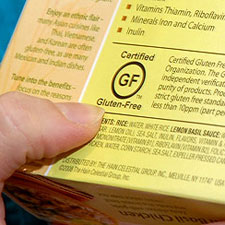
Gluten on food labels. › food › food-labeling-nutritionGluten-Free Labeling of Foods | FDA On August 2, 2013, FDA issued a final rule defining “gluten-free” for food labeling, which is helping consumers, especially those living with celiac disease, be confident that items labeled ... 15 Most Deceptive Food Label Terms That Are Fooling You In 2013, the Food & Drug Administration finalized the definition of the term "gluten-free" for food labeling. They concluded that foods that contain 20 ppm (parts per million) of gluten or more can not be considered gluten-free. However, this guideline means that products containing traces of gluten up to this amount can be labeled "gluten-free." The Important Bill That Changes Gluten-Free Food Labels That means that in addition to wheat, an allergen, barley and rye - grains that contain gluten but are not considered "allergens" by the FDA - must appear on food labels. If this bill passes, new food labels will clearly state if any flavorings, extracts, or other added ingredients are derived from wheat, barley, or rye. Food Labeling & Nutrition | FDA Food labeling is required for most prepared foods, such as breads, cereals, canned and frozen foods, snacks, desserts, drinks, etc. Nutrition labeling for raw produce (fruits and vegetables) and...
Gluten-Free Foods List - Healthline Gluten-free proteins legumes (beans, lentils, peas, peanuts) nuts and seeds red meat (fresh beef, pork, lamb, bison) poultry (fresh chicken, turkey) seafood (fresh fish, scallops, shellfish)... › how-to-identify-gluten-onHow to Identify Gluten on Food Labels - Verywell Health The gluten-free food labeling requirements only apply to packaged foods. The rule doesn't apply to meat, poultry, unshelled eggs, or distilled spirits and wines made with 7% alcohol by volume or more. There is no standard symbol for gluten-free foods. Manufacturers can simply print "gluten-free" on their label as long as it is truthful. Which Ingredients Contain Gluten? | How to Identify on Labels Gluten is not listed explicitly as an allergen on a product label in the UK, it will appear in the form of the gluten-containing ingredient itself. The most common is wheat, barley or rye. For example, the label on bread might say wheat flour, water, yeast, salt. The emphasised word indicates which ingredient contains the allergen. Gluten Free Diet: Building the Grocery List - Eatright.org Some other gluten-free flours you may come across include sago, soy, potato, tapioca, garbanzo bean and arrowroot. Other foods that are naturally gluten-free include single ingredient foods like fresh fruits and vegetables, milk, butter, eggs, lentils, nuts and seeds, fish and poultry, honey and water. *Oats are, by nature, gluten-free.
Gluten-Free Label Reading: From Novice to Expert In many cases, gluten is fairly easy to distinguish on a product label. Look for ingredient phrases containing wheat, barley, or rye (aka the usual suspects), and be wary of ingredients like malt and dextrin, which may contain gluten depending on how they were derived (more on this to come). celiac.org › gluten-free-living › gluten-free-foodsGluten-Free Foods | Celiac Disease Foundation Be wary, as many products may appear to be gluten-free, but are not. As a rule, traditional wheat products such as pastas, breads, crackers, and other baked goods are not gluten-free. However, there are many gluten-free options available that use alternative flours and grains. Often, gluten-free bread can be found in the freezer section ... › articles › forbidden-glutenForbidden Gluten Food List (Unsafe Ingredients) - Celiac.com Jul 22, 2020 · Celiac.com 08/19/2020 - The US Food and Drug Administration (FDA) has ruled that distilled foods and spirits made from gluten-containing grains can be labelled as ‘gluten-free.’ The FDA ruling covers fermented and distilled foods, or foods that contain fermented or distilled ingredients, which are made using gluten-containing grains such as ... New Bill Would Require Products to Disclose Gluten-Containing Grains on ... Foods labeled gluten-free currently require compliance with a gluten content of less than 20 parts per million. That requirement would not be affected by the passage of the FLMA. "Labeling laws have come a long way since I was first diagnosed with celiac disease, however, we still have a long way to go.
Baked-in opportunities for sweet bakery products | Food Beverage Insider
Gluten-free diet - Mayo Clinic Grains, starches or flours that can be part of a gluten-free diet include: Amaranth Arrowroot Buckwheat Corn — cornmeal, grits and polenta labeled gluten-free Flax Gluten-free flours — rice, soy, corn, potato and bean flours Hominy (corn) Millet Quinoa Rice, including wild rice Sorghum Soy Tapioca (cassava root) Teff Grains not allowed

Starting today, "gluten-free" labels actually mean something. | Gluten free labels, Going gluten ...
Gluten-free: What does that mean? - Mayo Clinic Health System Foods that contain wheat, barley, rye or triticale — or an ingredient derived from them — must be labeled with the name of the grain in the label's content list. Foods that are labeled gluten-free, according to the Food and Drug Administration rules, must have fewer than 20 parts per million of gluten. Foods with these labels may include:
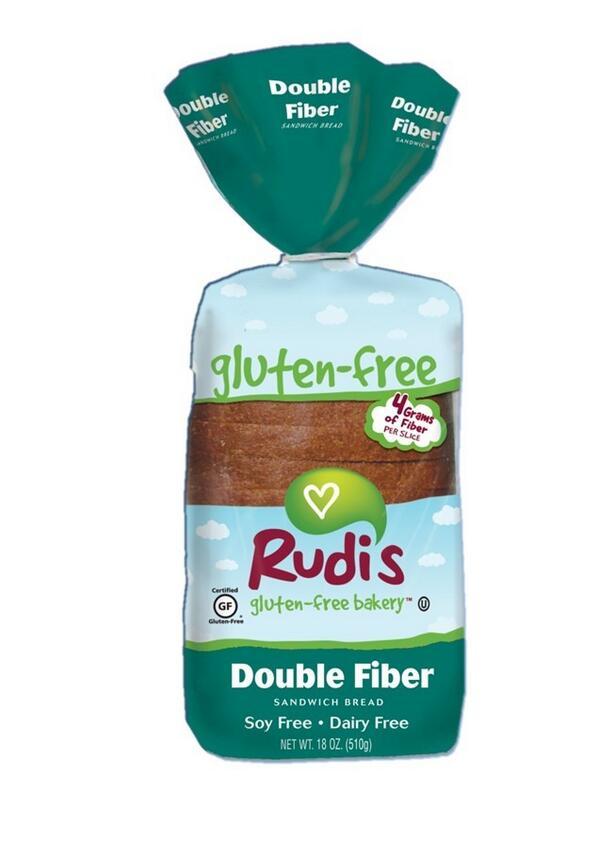
New Food Find: Gluten-Free, Dairy-Free, Soy-Free Bread | Kids With Food Allergies
Gluten-Free Foods List | EatingWell Currently, using a "gluten-free" label is optional on food products sold in the U.S. All products that are labeled "gluten-free" must contain less than 20 parts per million gluten. The 20 ppm threshold was set because it is virtually impossible to reliably detect levels below this (it's like finding a grain of sand in a swimming pool).
12 Inflammatory Foods That Are Harmful For Your Health - Allergy Symptoms
Considering a gluten-free diet - Harvard Health The gluten-free diet is not just a fad. People with celiac disease must eat food without the protein gluten. In addition, people with nonceliac gluten sensitivity can benefit from the diet. The diet requires followers to become gluten detectives, looking for the ingredients wheat, rye, or barley and their derivatives on food labels. It also requires looking for gluten in hidden sources, such ...

A.Word.A.Day --saccharine
Organic, cage-free, natural: What do food labels really mean? — Quartz The label gives people, especially those with celiac disease, an auto-immune reaction to eating gluten, a way to avoid foods that may cause serious symptoms, which are largely gastrointestinal ...

Allergens and Ingredients Labels - Able2Label Labelling Solutions | Ireland
inspection.canada.ca › food-labels › labellingList of ingredients and allergens on food labels - Food ... In the above example, all food allergen and gluten sources are declared appropriately in the list of ingredients, either in the parentheses or as part of the common name of the ingredient. Although butter is a milk source, as the FDR states, food allergens, gluten and added sulphites only have to be declared once on the label. As milk is ...

FDA Finalizes Rules Related to Gluten-Free Labeling for Foods - Health Units
› gluten-and-food-labelingGluten and Food Labeling | FDA Since 2014, the U.S. Food and Drug Administration (FDA) has required that claims on food labels that a food contains no gluten meet a clear standard that assures consumers that “gluten-free ...

How to Tell if a Food is Gluten Free from the Label | One Hungry Celiac
What Is Gluten? Common Foods, Conditions, and More Gluten-free food labels are used in many countries, but they don't mean that a particular product is completely free of this protein. Most countries allow up to 20 ppm of gluten in products labeled...
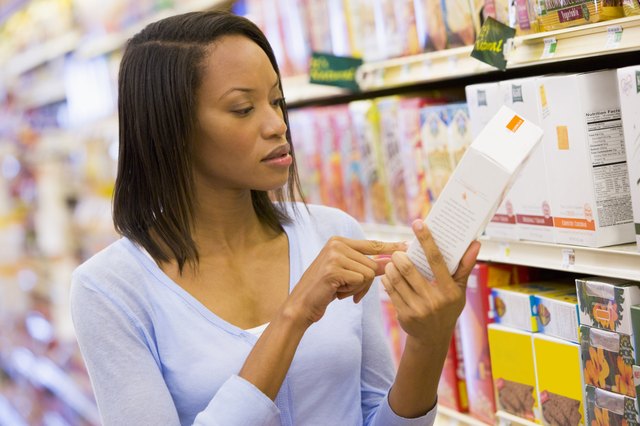
Why Is Reading Food Labels Important? | Livestrong.com
Food Allergies | FDA Major Food Allergens. Congress passed the Food Allergen Labeling and Consumer Protection Act of 2004 (FALCPA). This law identified eight foods as major food allergens: milk, eggs, fish, shellfish ...

Gluten Free Labeling of Foods | Home & Garden Information Center
Reading Food Labels: What "May Contain vs. Contains Means" | Gluten ... One of the most important tips for going gluten-free is reading food labels to determine if the ingredients contain any alternative sources of wheat. You may also notice, some food labels will use the terms "may contain" and "contains" and today we are going to delve into what these terms mean for you, my fellow gluten-free foodees. FAST FACT:
Jam Recipes - Great British Chefs
Gluten Still Possible In Foods With Gluten-Free Label Gluten-Free Food Labeling Is Voluntary Manufacturers are not be required to place a gluten-free label on a food product, even if it met the FDA's "gluten-free" standards. Therefore, companies that provide gluten-free labeling on products are doing so to court business from people with celiac disease and non-celiac gluten sensitivity .

Gluten Free is Cool! A Site for Kids and Kids at Heart: Gluten free living: labels labels labels
Breaking Legislative News ALERT: New Bill Requires that Products ... It adds gluten to labeling requirements applicable to the major food allergen. THIS. IS. HUGE. Let this sink in a minute. This means that you would no longer have to wonder if gluten is in the foods you eat because it must be disclosed on product packaging. For products that are not labeled "gluten-free," no longer would you have to spend time:

how-to-check-food-labels-for-non-gluten-free-ingredients | Zoe Pickburn

Ambar Adds Calorie Counts to the New Lunch Menu Beginning December 1st - DC Outlook

How To Tell On A Food Label If It Contains Gluten (Video) | LIVESTRONG.COM - to read @Shawna ...

Identifying Gluten on Food Labels: Become a Master in Minutes! | The Gluten Free Mentor
New Rules on Gluten-Free Food Labeling? - Ask Dr. Weil
Post a Comment for "44 gluten on food labels"